


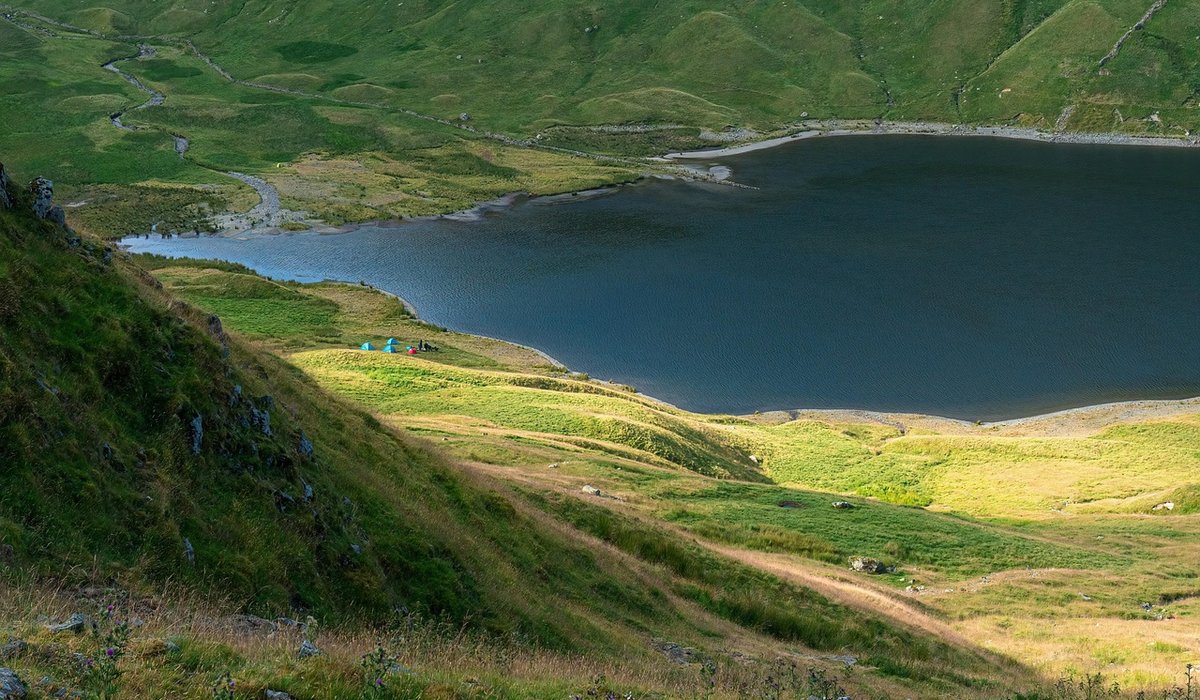
Why the Step from Campsite to Wild Pitch Feels Big
There is a moment, usually around nine in the evening, when the campsite gate is behind you and the path ahead climbs into heather and rock. The tent you have pitched twenty times on level grass suddenly feels like a different object entirely. That is normal, and it is not a sign that you are doing anything wrong. What changes is not the camping itself but the number of decisions you have to make alone: where to stop, how much water to carry, whether that cloud is going to sit on the ridge all night. A little preparation takes the edge off all of it.
This is a gentle checklist for the first few wild pitches, drawn from years of damp boots and long evenings in the British uplands. None of it is complicated. Most of it is about staying warm, staying hydrated and being able to walk away in the morning without a fuss.
Choosing a Pitch You Will Be Glad to Wake Up In
Arrive with daylight to spare, ideally an hour or more before sunset. In summer, a flat spot in a hollow looks perfect until the dew gathers; in autumn, an exposed shoulder that catches the breeze keeps the midges away but chills you through. Look for ground that is level, dry and slightly raised, with a little natural shelter from the prevailing wind. Tussocky grass hides stones and dips, so kneel down and press with your hand before you commit.
In England and Wales, wild camping is generally not a legal right outside Dartmoor and a few other places, so the honest approach is to ask permission where you can, pitch late and leave early, and treat the land as though the owner is watching. In Scotland, the access code gives you more freedom, but the same courtesies apply. Avoid enclosed fields, keep away from buildings, and never pitch on the only flat ground beside a bothy that someone else might need.
Warmth Is a System, Not a Sleeping Bag
Most first-night misery comes from cold rising up through the ground rather than from the air above. A sleeping bag's rating assumes you have decent insulation beneath you. A thin foam mat will not do. Aim for a mat with an insulating value of at least three, and if you only have a short mat, put your empty rucksack under your feet.
- Wear dry, dedicated sleeping layers, never the clothes you walked in.
- Eat something before bed; a handful of nuts or a flapjack gives your body fuel to burn through the small hours.
- Fill a bottle with hot water, seal it well, and tuck it near your feet as a makeshift radiator.
- Keep the tent vented. A closed tent drips with condensation by two in the morning and everything inside feels clammy.
- Put tomorrow's clothes in the foot of your bag so they are warm, not stiff with damp, when you wake.
Water, Food and the Simple Comforts
Assume you will need two litres per person for drinking and cooking overnight, more on a hot day or a long approach. Streams high on the hill, above any intake or grazing, are usually the best bet; take from fast-moving water, not still pools. A filter or purification tablets are light insurance. If you would rather not treat water, carry it in, accepting the weight as the price of certainty.
Keep evening food simple and hot: a one-pot noodle or couscous meal, a hot drink, then bed. Elaborate cooking in the dark, with cold hands and a head torch in your teeth, is a reliable way to lose enthusiasm. Eat before you get too cold, and clean your pan with a little water and a cloth rather than scattering food scraps. Leftovers attract everything from mice to deer, and food smells in a tent are an invitation you do not want to send.
A Calm, Clean Exit
The exit is where quiet campers are judged. Pack everything, including every scrap of food and wrapper, and check the grass where your tent stood for a dropped peg or a forgotten spoon. If you need to go to the toilet, walk well away from water, dig a hole about fifteen centimetres deep, and replace the turf and leaf litter afterwards. Carry out paper rather than burying it.
Before you leave, stand still for a minute. Look back at the spot. If it looks as though no one has been there, you have done it properly. That small discipline is what keeps wild pitches open for the next person and, honestly, what makes the walk back down feel lighter.
Start with one night. Choose a modest hill, a short approach, a forecast with no fronts arriving until morning. Take a midge net in summer, a spare dry layer in every season, and a torch you can find without searching. The first night under canvas away from a campsite is rarely perfect, but it is almost always worth it, and the second one is far easier.


Leave a reply