


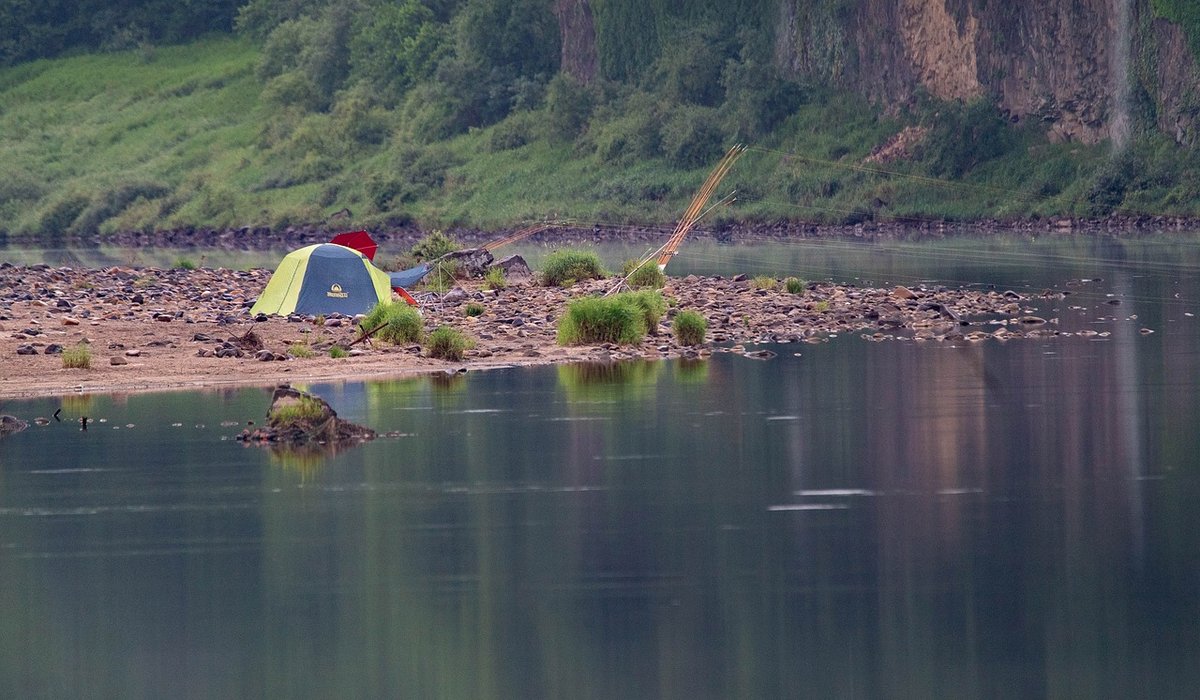
The fells do not change season on a calendar date. Somewhere in late January, on a sheltered gill below the snow line, something shifts — and from then on the year is in motion. Learning to read those clues is one of the quiet pleasures of upland walking, and it is genuinely useful too. It tells you what the ground will be like underfoot, where the water is running, what weather to expect, and where you might sensibly pitch a tent.
Spring: Shrinking Snow, Arriving Birds
Spring works from the bottom up. Low valley woods come into leaf weeks before the high corries, and the last snow clings to north-east-facing gullies long into May. Those patches make a decent calendar in themselves: while they still cover the shaded hollows, you can expect wet, cold ground above about 600 metres, whatever the forecast says for the valley.
Look for frogspawn in upland pools as early as February in mild years, willow catkins on the lower fellside, and the first green flush on south-facing slopes. Then the birds arrive: skylark song before dawn, curlew bubbling over the bog, and wheatears — grey, black and white, flicking about the stone walls — from late March onward.
Expect heavy going. Snowmelt and rain mean saturated peat, spate streams and bogs that swallow a boot. Waterproof socks earn their keep, and a low-level camp is often wiser than an exposed one. Ground-nesting birds are on eggs and chicks from spring: keep to paths, keep dogs close, and pitch well away from likely nest sites.
Summer: Cotton Grass, Heather and Midges
By early June the bogs are white with cotton grass, the most reliable indicator of wet ground you will ever learn. Route-finding across a plateau becomes much easier once you can read it — skirt the white patches and you avoid the worst of the bog.
Bilberry flowers appear as small green-pink bells in late spring and carry fruit by late July and August. Heather flowers from late July, and by mid-August whole hillsides glow purple. The same still, warm conditions bring the midge. Pitch on a breezier shoulder a little way from water, keep the tent closed, and take an evening walk rather than sitting outside. Afternoon thunderstorms build fast on hot days, so start early, be off exposed ridges by early afternoon, and draw drinking water from moving streams rather than still tarns.
Autumn: The Bracken Clock
Nothing marks the change more clearly than bracken. On dry, south-facing slopes the fronds turn first, moving through bronze to rust to deep burnt brown during August and September, then spreading uphill onto wetter, north-facing ground. Once it has collapsed, paths turn slippery on bare stalks and the fells look suddenly thinner.
Watch for rowan berries turning scarlet, and for the red deer rut — stags bellowing in the high glens through October, a sound that carries a long way on a still morning and is worth stopping for. Frost arrives early in hollows and valley floors, so a clear, still night in late autumn is coldest down low, not up on the tops. Camp on a gentle shelf rather than in a dip. Daylight falls away sharply: carry a headtorch from September and allow more time than the map suggests.
Winter: Snow, Spindrift and Short Days
Winter rewards preparation rather than luck. High ground turns hard, icy and wind-scoured, and snow lingers in shaded gullies well into spring. Ptarmigan and mountain hares turn white; snow buntings flick along the tops in small flocks; grouse look almost black against the snow.
Conditions matter far more than distance. Windslab on lee slopes and corniced edges are the classic British winter hazards, and they do not need a big mountain to be serious. Check an avalanche forecast before you set out, carry an ice axe and crampons where the ground is steep, and be genuinely willing to turn around. Days are short: a winter wild camp means pitching by three in the afternoon, choosing a firm, flat, sheltered spot, and accepting a long night in the tent.
Reading the Year, and What It Gives You
Noticing is a skill, and like any skill it improves with practice. A few simple habits will sharpen it:
- Note the dates. First cotton grass, first bellowing stag, first frost in the valley — a small notebook or phone note builds a personal calendar within a couple of years.
- Read the ground, not just the sky. Cotton grass means bog, purple heather means drier heath, collapsed bracken means greasy paths.
- Camp seasonally. Slightly higher and breezier in summer, lower and more sheltered in autumn and winter, always on durable ground and always taking everything away with you.
- Leave no trace. No fires on peat or moorland, bury waste well away from water and paths, and leave the bilberries for the birds.
The real reward is quieter than that. Watching the bracken turn, or hearing the first curlew of the year, ties you to a rhythm far older than any itinerary — and that, more than the mileage, is often what people come to the fells to find.


Leave a reply